


Energy saving tips and Government rebates available.
If you’re like many Sydney-siders, you’re probably looking for practical ways to save money and reduce household bills. Below, we’ve put together our top tips to help you make meaningful, achievable changes to your hot water usage that really add up over time, lower costs, and lessen your environmental impact.
Tip 1
Ensure your hot water system is running efficiently
Your hot water heater works hard every day, so keeping it in good condition is essential for reliable performance and lower energy bills. Even small improvements can greatly reduce your household’s energy use and long-term costs.
If it has been more than five years since your water heater was last serviced, now is the time to book a professional check-up. Regular servicing not only improves efficiency, but it can also pick up hidden leaks, which waste water and force your system to work harder. This increases energy use as the heater continually reheats water that is being lost through the leak. Fixing these issues early prevents ongoing waste and unnecessary costs.
It’s a simple, affordable step that can extend the life of your water heater and often pays for itself through energy savings.
Call 0410 693 532 for expert advice or to book a service call-out.
Tip 2
Reduce your household hot water usage
Alongside keeping your hot water system running efficiently, your daily habits can significantly affect your hot water bills. Here are practical steps you can start using immediately.
Avoid group usage of hot water
Many households try to save hot water by running several appliances at once, such as showers, dishwashers and washing machines. This approach is known as group usage and is not recommended.
Rather than saving hot water, it makes your water heater work harder as it tries to supply multiple outlets at the same time. This causes the system to deplete its stored hot water faster, which can lead to lukewarm or cold water sooner. It may also reduce the lifespan of the appliance.
A better approach is to spread out usage where possible. Have showers when you need to and run appliances at different times. Of course, there will always be occasions when everyone needs to shower quickly—such as before a wedding or special event, and that is absolutely fine. The aim is simply to avoid unnecessary overlapping of hot water demand.
Reduce waste
Turn off taps when you’re not using them. It’s easy to assume a few seconds of hot water won’t make a difference, but over time it really adds up and can cost more than you think.
Install good-quality low-flow fittings
Low-flow showerheads and tap aerators can reduce hot water use while still giving you a great shower.
We recommend choosing high-quality fittings, such as Methven, made in New Zealand. Poor-quality products can cause temperature fluctuations as they try to mix the hot and cold, leading to showers that suddenly switch from very hot to lukewarm. Good-quality fittings deliver consistent temperature, save water and provide an excellent shower experience.
Wash smart
Use warm or cold cycles when running your washing machine. This significantly reduces hot water consumption.
Thermostat settings
For storage water heaters, it is not recommended to lower the thermostat as a way to save energy.
Storage tanks must be set between 60°C and 70°C to prevent the growth of Legionella bacteria. This temperature range is legally required and keeps your system safe.
Instantaneous (continuous flow) water heaters are different. Because they heat water as it flows through the unit (rather than storing it), they can safely be set lower, around 50°C, to reduce energy use.
If you’re unsure how your system is set up, contact us for guidance. We’re here to help.
Insulation
Modern water heaters are designed with excellent built-in insulation. In Sydney’s mild climate, the outside temperature isn’t cold enough to affect the water stored inside your tank, so additional insulation wraps or jackets are rarely necessary. These products are only useful in frost-prone areas.
If someone suggests extra insulation for a Sydney home, it’s likely unnecessary. If you’re unsure, contact us for honest, reliable advice.
Check for leaks
Even a slow, unnoticed drip wastes hot water and increases energy bills. If you suspect a leak or notice higher-than-usual usage, contact us so we can inspect and repair it promptly.
Tip 3
Upgrade to an energy efficient hot water system
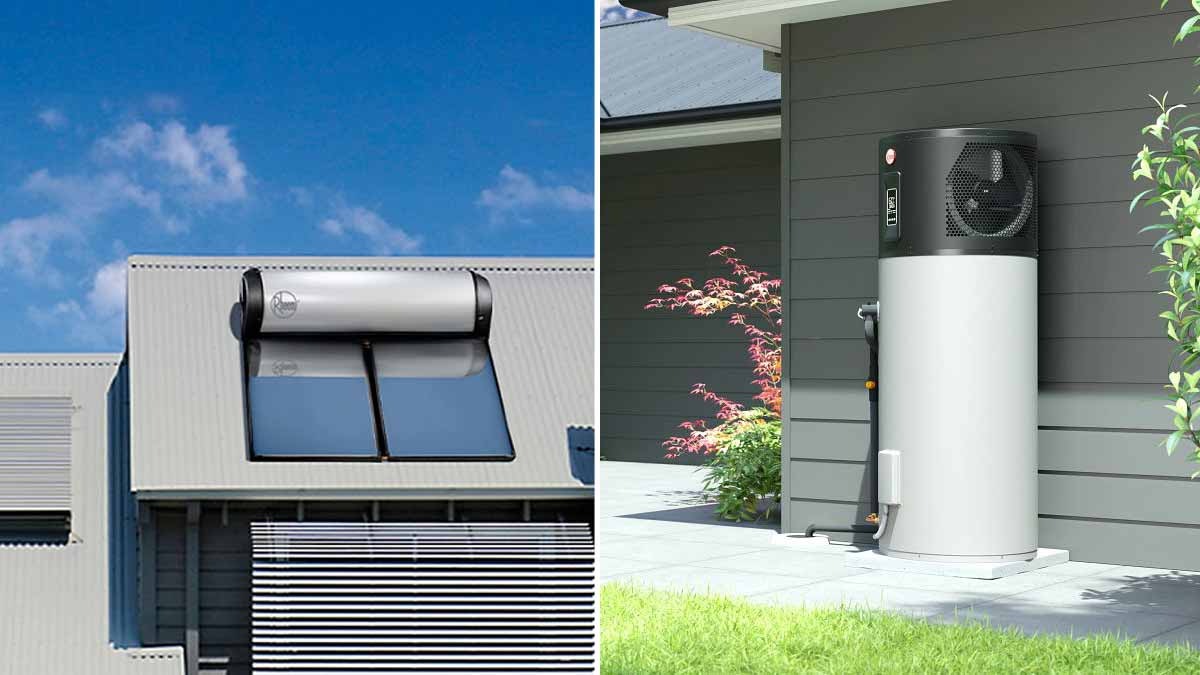
If your current hot water system is ageing, under-performing or using high amounts of energy, upgrading to a modern, high-efficiency heat pump can be one of the smartest long-term investments.
Heat pumps can use significantly less electricity than standard electric or gas systems. With energy prices continuing to rise, switching to an efficient system can deliver impressive savings over the lifespan of the unit.
Generous government rebates and incentives are still available to help Sydney households upgrade. These rebates are applied upfront as a discount on the purchase and installation cost, so you don’t have to wait for a refund. Some homeowners may also qualify for additional Federal Government incentives.
Call us on 0410 693 532 to learn what rebates you may qualify for. We stay up to date with all current government incentives and can help you choose the most cost-effective upgrade.
Tip 4
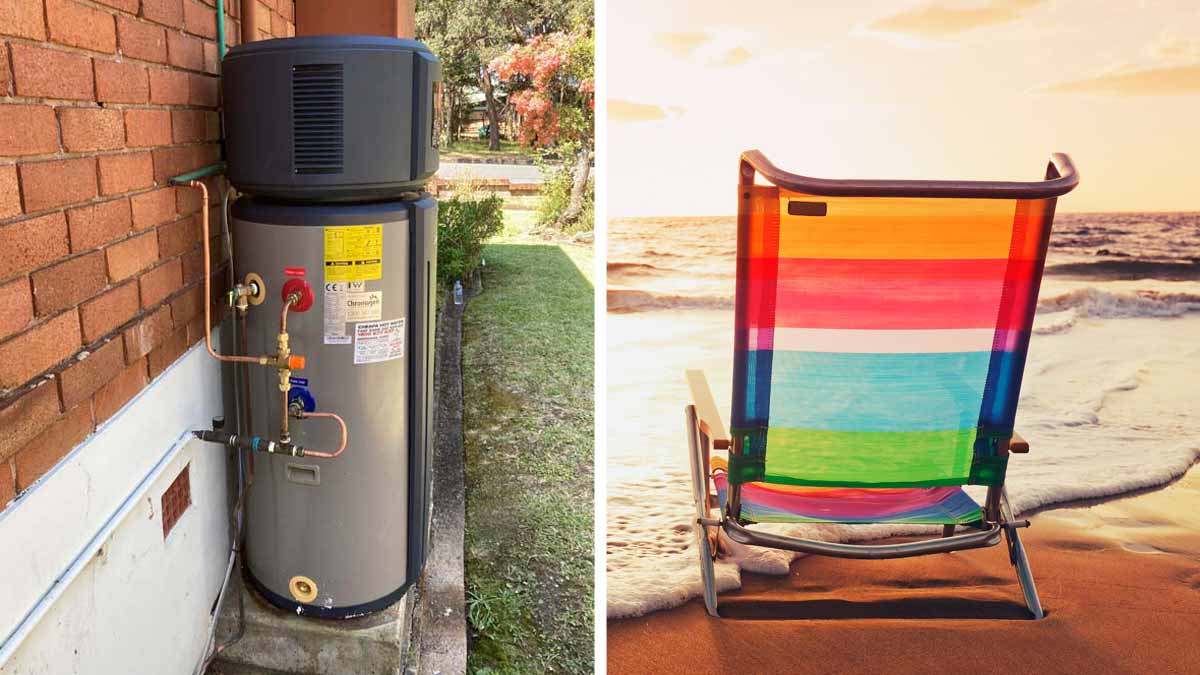
Turn off your water heater when going on holidays
Many homeowners wonder whether they should switch off their hot water heater before going away. It seems logical—why heat water no one is using? Before turning your system off, it’s important to consider a few key points to ensure you’re making the safest choice.
How long you’ll be away
If you’re going away for an extended period, such as a few weeks, turning off your water heater can reduce running costs and remove the risk of a leak occurring while the home is empty.
The age of your system
Water heaters over 10 years old have a higher chance of leaking or rupturing. If your unit is considered older, switching it off before travelling is a sensible precaution.
Where the system is installed
Indoor systems can cause significant damage if a leak occurs while no one is home. Even outdoor units can cause flooding depending on their location. For indoor systems, we generally recommend turning them off before you leave.
How the system was installed
If your water heater is connected with flexible braided hoses, it’s wise to switch it off before travelling. These hoses can deteriorate and are more likely to fail under pressure. Copper pipework is far more reliable and long-lasting.
If you’re unsure or would like advice specific to your home, call 0410 693 532.
Tip 5
Simple DIY maintenance to keep your water heater running efficiently
Your hot water heater works hard every day to provide reliable hot water, often without you giving it a second thought—until something goes wrong. With a few quick checks every couple of months, you can help keep your system running efficiently and reduce the risk of unexpected (and often costly) breakdowns.
Check for leaks
Inspect the tank, pipes and valves regularly for signs of moisture, rust or corrosion. Early detection can prevent minor issues from turning into major repairs.
Test the pressure relief valve
Gently lift the valve lever and make sure water flows for around 10 seconds. The lever should move freely. If it’s stiff or unresponsive, the valve may need replacing.
Monitor water temperature
Pay attention to how your hot water feels at the tap. If it’s cooler than usual, fluctuates, or runs out faster than normal, it may indicate an issue that needs attention.
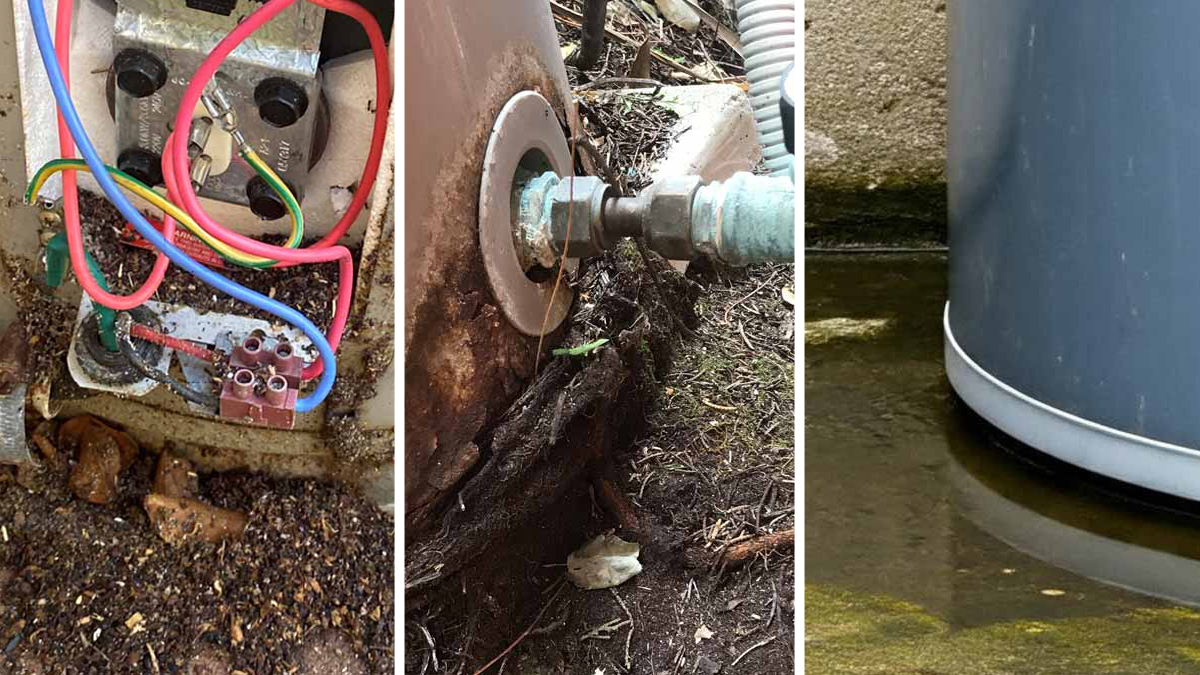
Watch for ants
Check around the base of your water heater, as ants often nest there during colder months. They can interfere with electrical components and cause system faults.
Clear weeds and debris
Keep the area around the base of your water heater free from grass, soil and debris. This helps prevent moisture buildup, which can lead to rust and corrosion at the bottom of the tank.
If you notice anything unusual or need help with maintenance, contact us for expert assistance.
Questions? Need advice?
If you have questions about reducing your energy bills, running your water heater more efficiently, or upgrading to an energy-efficient system, contact us for advice. Hot water is our business and we’re here to help.
We offer a fast, same day hot water service to all Sydney suburbs including: Northern Beaches, Upper and Lower North Shore, Eastern Suburbs, Hills District, Inner West, Western Suburbs + Blacktown, St George + Bexley, Campbelltown, Sutherland Shire, Penrith, Liverpool, Hornsby, and Ryde.